— The hotel
Alunana Premium & Fireplace apartment in Art Nouveau district, 63 sqm, 1870s, Self check-in
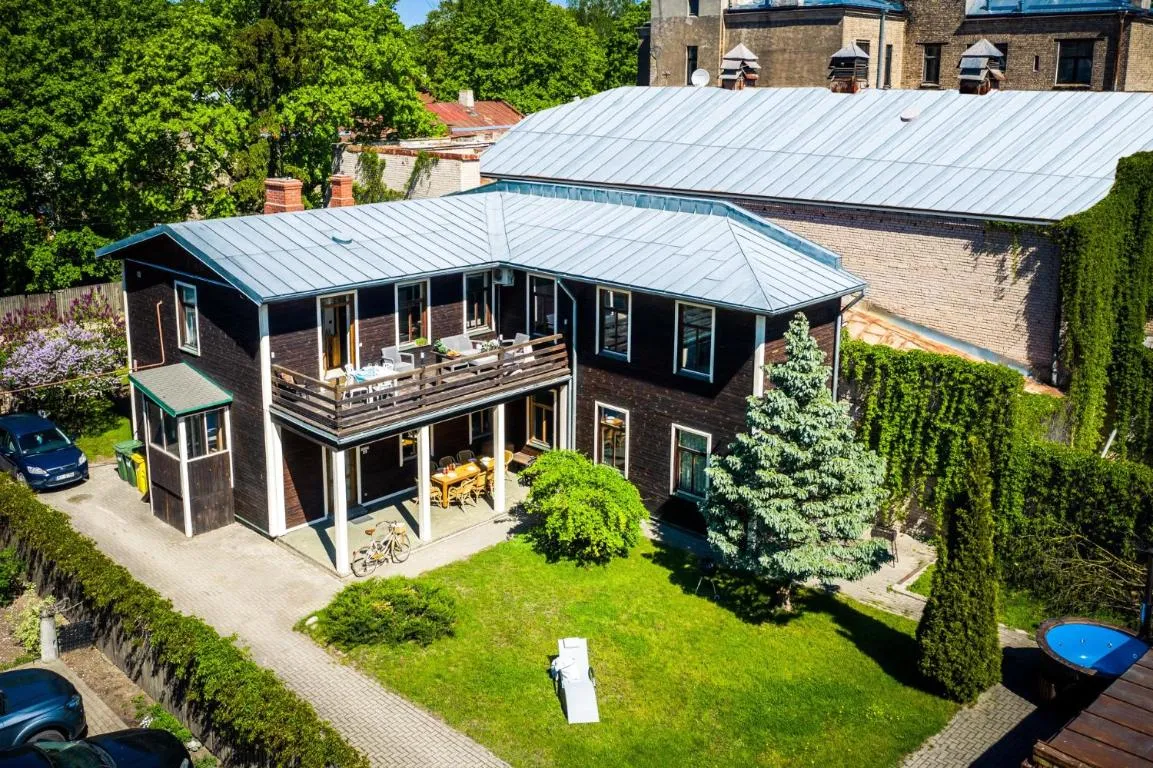
When I stepped onto the cobblestones of Jura Alunāna iela, the air carried that faint, comforting scent of old stone and freshly brewed coffee from the neighboring café on Pils Street. I was heading to the Alunana Premium & Fireplace apartment—a 63‑square‑meter slice of 1870s charm on the second floor, Flat 41. The building itself is an untouched Art Nouveau gem, and honestly, the original plasterwork on the walls still whispers stories from a century ago. After a quick selfie with the ornate iron gate, I found the key‑pad on the door, a little digital box with a touch of sleek modernity against the vintage backdrop. No need to call a concierge; I just typed in the code, turned the lock, and the door swung open like a secret portal.
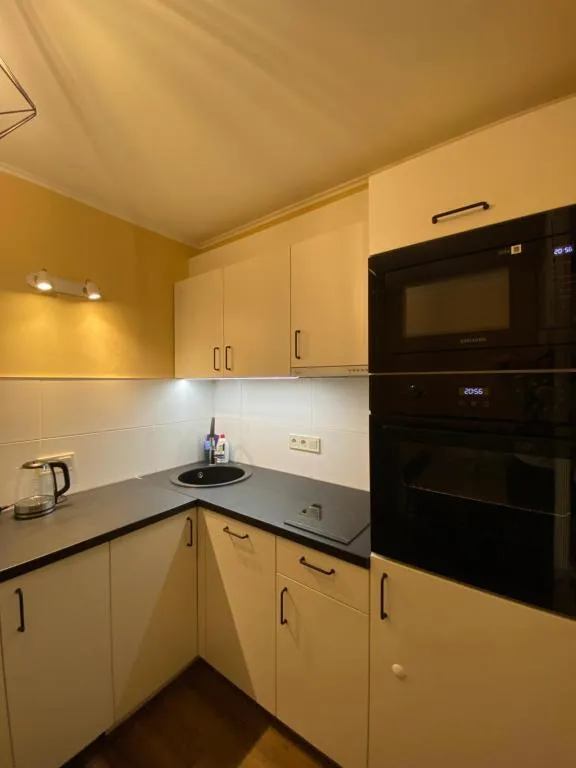
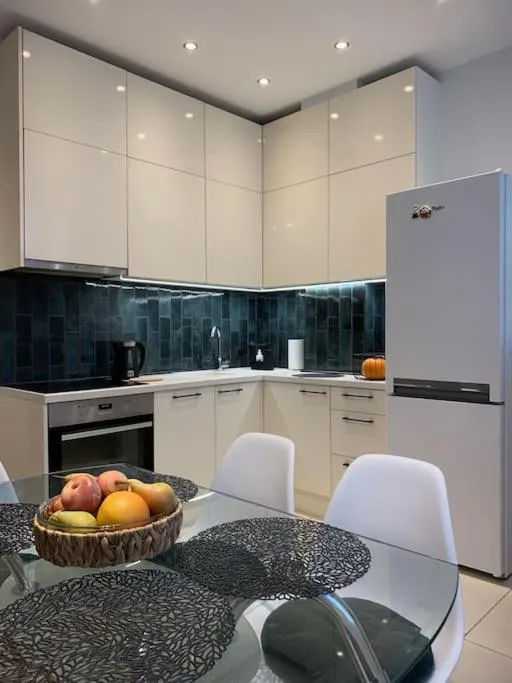
Inside, the first thing that caught my eye was the fireplace—large, stone, and surprisingly efficient. I mean, it’s not a luxury hotel, but this place has you covered when the Riga chill settles in. The living area, with its exposed beams and soft, neutral palette, feels like a warm hug. The single bed in the bedroom is a plush, high‑quality mattress that promises an uninterrupted sleep, and the kitchenette is surprisingly spacious for the size of the apartment. I found a compact espresso machine that works like a charm, and the fridge is large enough to keep a few snacks and a bottle of local Riga beer. The bathroom? Spotless, with a rain shower that makes you forget you’re in a city apartment and not a spa.
The location is pure delight when you know what to look for. The apartment is just a short stroll from the Jūrmala waterfront, and you can hear the gentle lapping of the Daugava in the evenings. A few minutes down the street, you’ll find Rīgas Centrālais Bārs—a lively spot where locals pour their favorite Latvian beers and the barista flips a perfect latte. If you’re into art, the nearby art galleries on Jāņa Kēna Street showcase contemporary Latvian talent, and a quick walk brings you to the historic city center, where the medieval towers still loom. I also discovered a tiny bookshop tucked between a bakery and a florist, a hidden gem that sold me a vintage postcard of Riga’s skyline from the 1920s.
Parking can be a bit of a puzzle if you’re driving, but honestly, most guests find a meter near the river that’s usually free in the evenings. The building itself doesn’t have a dedicated parking lot—just a cobbled courtyard that’s more suited to bikes than cars. So, if you’re arriving by car, I’d suggest dropping it off at a local garage near the riverbank and hopping on a bus or tram to the apartment. The transit system in Riga is surprisingly efficient, and you can get to the city center in about 15 minutes from the Apģērbu Street station. For those who prefer walking, the entire district is pedestrian‑friendly, and the streets are lined with cafés, boutiques, and the occasional street musician playing a violin—really, you can almost hear the city’s heartbeat.
The noise level is a pleasant surprise. Even though the apartment is on the second floor, the thick stone walls keep the traffic noise from the main road down below at bay. In the winter, the city’s nightlife is a distant hum, replaced by the crackle of the fireplace and the occasional clink of glasses from the café downstairs. In summer, the balcony offers a clean view of the river, and you can sit there with a cold drink, watching the boats glide past. Seasonal changes do affect the vibe: in spring, the nearby park bursts into color, and in winter, the