— The hotel
Home is where the heart is
Home is where the heart is sits on 4 Krāmu iela, tucked just off the bustling streets that lead to Rīga’s Old Town. I first walked there on a crisp autumn morning, the city still humming from the last of the summer tourist crowds. The building itself is a modest three‑star gem, with a simple brick façade that gives off a warm, almost homely vibe. When I stepped inside, the lobby smelled faintly of freshly brewed coffee and the faint tang of Baltic sea breeze that somehow permeated through a cracked window left open for ventilation. The check‑in was quick and surprisingly personal—one of the front desk clerks, a young woman named Ieva, greeted me with a smile that felt like a local’s welcome and handed me a handwritten guide highlighting hidden cafés and the best spots for a quick stroll.
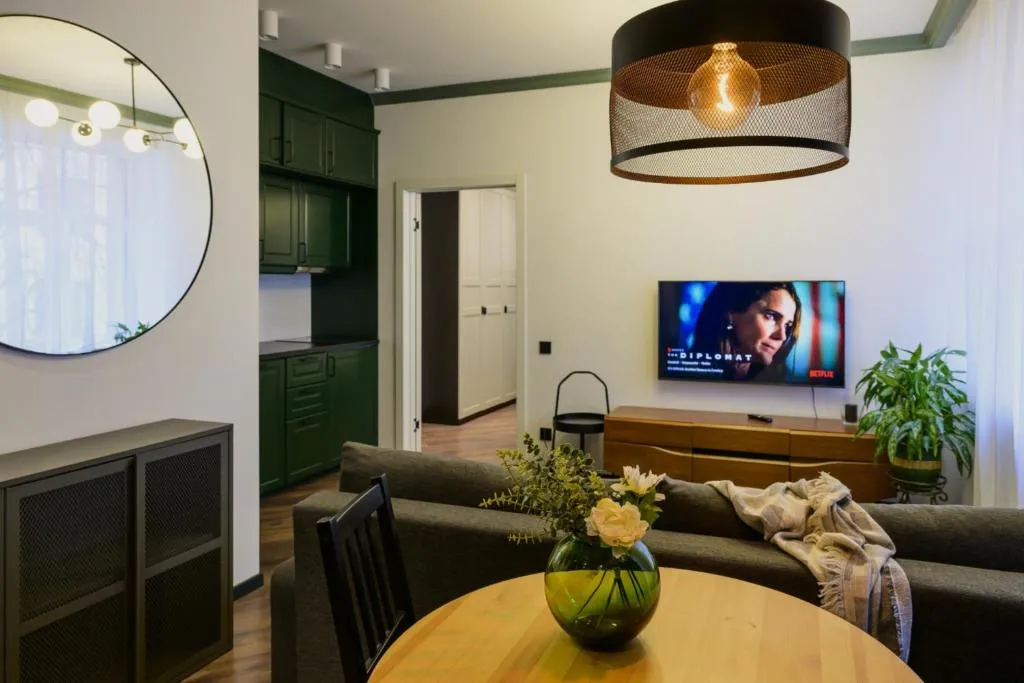
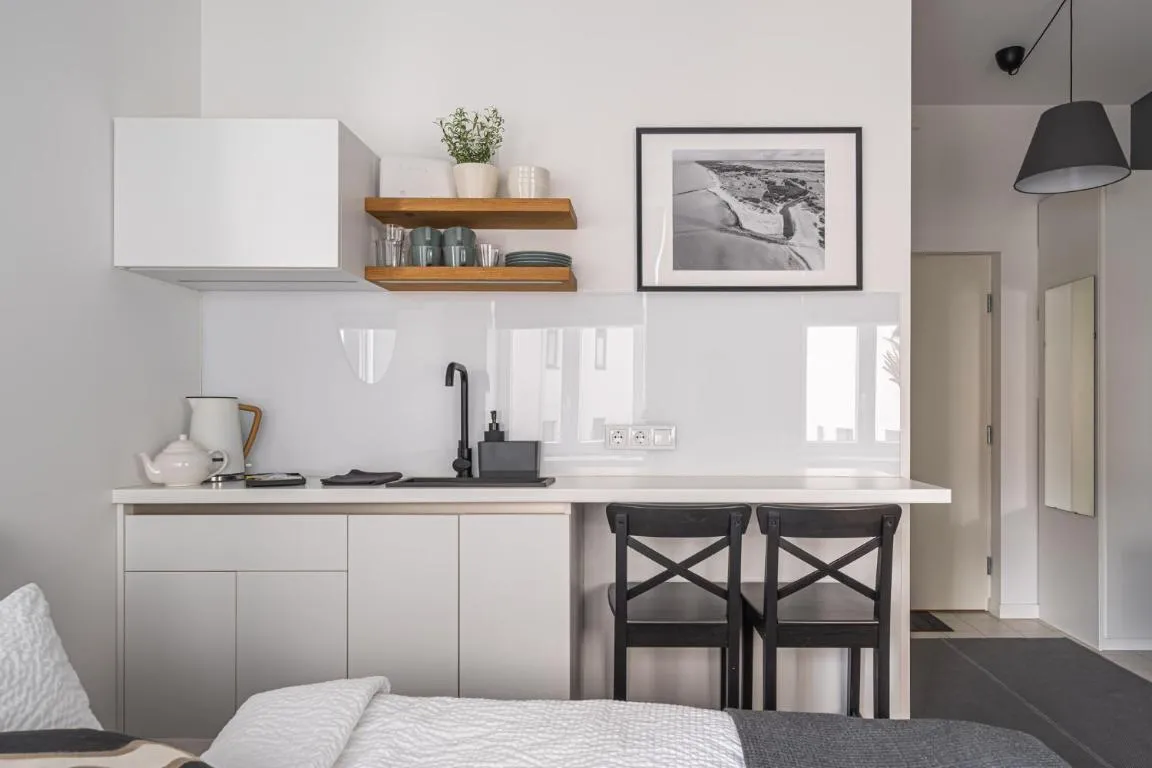
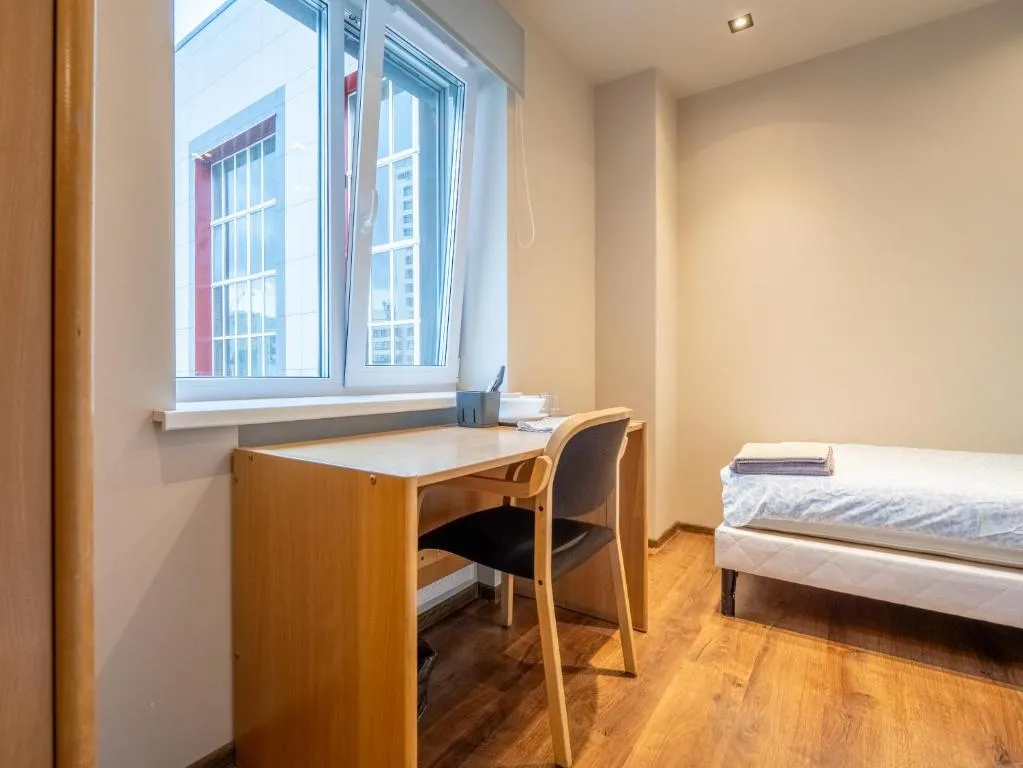
The rooms are cozy, not overly lavish but with thoughtful touches: a soft, linen duvet, a small balcony overlooking a quiet courtyard where you can hear the distant chime of the Freedom Monument’s bells. The bed is surprisingly comfortable—firm but not too rigid, just enough to promise a good night’s sleep after a day of exploring. I found the noise level surprisingly low for a city centre hotel; the only sounds that seep in are the occasional traffic rumble and the distant clatter from the market. Speaking of the market, just a two‑minute walk brings you to the Central Market, where the smell of fresh rye bread and local cheeses will have you salivating before you even think about breakfast. During the summer, the market is a hive of activity, and the street outside the hotel can get a bit crowded, but in the evenings it settles into a pleasant, lively hum that’s perfect for a casual walk.
Parking is a bit of a hassle if you’re driving. There’s a small, paid lot behind the building, but it fills up fast on weekends and during the Song Festival in August. My best bet is to park on Krāmu iela itself—there are a few street spots, but you’ll need to be quick before the city’s parking meters kick in. If you’re staying in the city center, I’d recommend taking a short walk to the nearby bus stop and riding the tram to any of the main attractions—you’ll save both money and the hassle of finding a spot.
One thing I noticed that I think travelers often overlook: the staff’s genuine enthusiasm for local culture. Ieva, for instance, shared tips about the best ice‑cream place on Lībiešu Street and even offered me an invitation to a small family‑run bakery on Āgenskalns Avenue. That personal touch made the stay feel less like a hotel and more like a temporary home. The only minor critique—well, I mean, honestly, it’s not a huge deal—was that the elevator in the lobby was a bit slow, and the hallway lights flickered a few times, but that’s a small price to pay for the overall charm.
If you’re planning a trip to Rīga, especially during the peak of the summer or the Song Festival, Home is where the heart is provides a solid base. The location is close enough to the Old Town to step out and soak in the historic streets, yet tucked away enough to avoid the constant rush. The hotel’s atmosphere, the staff’s friendliness, and the subtle details—like the scent of coffee, the gentle night sounds, and the personal recommendations—combine to create a stay that feels like you’re staying with a local friend, not just a hotel guest. So pack your bags, bring your curiosity, and get ready to experience Rīga from a perspective that only someone who knows the city’s pulse can offer.