— The hotel
Royal
I first stumbled upon Royal while wandering down Ausekla iela, a narrow street that feels like it’s straight out of a postcard – only here, the cobblestones are a bit worn, and the old wooden facades lean toward the river like they’re listening to a secret. Honestly, the whole block has this old‑world charm, but the hotel itself is a surprisingly modern nest tucked between a bakery that smells like fresh rye bread and a tiny bookshop that sells vintage postcards. You know what? The first thing you notice is the big, polished brass nameplate that gleams in the late afternoon sun, and then the lobby, which feels like a quiet café – the kind of place where you can hear a low hum of conversation and the clink of cups, but no rush.
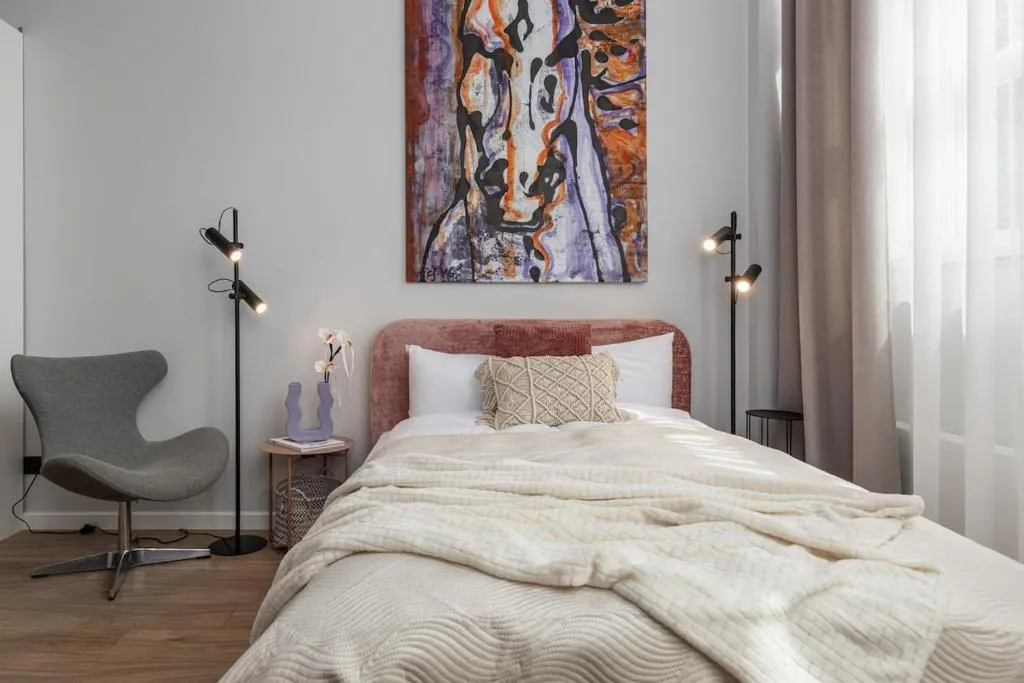
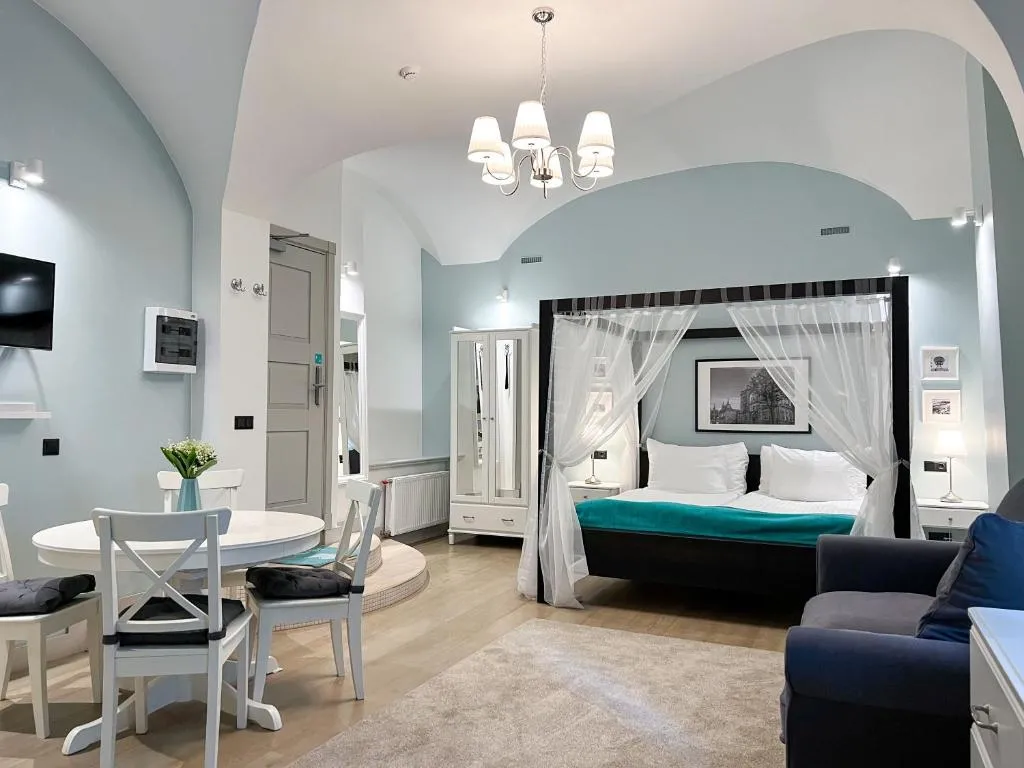
Check‑in was a breeze, but not without that little ID drama that every hotel has. The front desk staff were friendly, though they made sure to read the ID a few times – I guess it’s standard in Latvia, but it made me feel safe. They handed me a key card that glowed with a soft blue light, like it was going to take me to a secret part of the city. Parking is a bit of a mixed bag: there’s an underground lot a block away, but you gotta pay a premium if you want to use it after 9 p.m. – so I parked in a public spot near the river and walked the short distance, and the walk was a nice little exercise, plus you get to see the city lights flicker over the Daugava at night. The room itself is a neat 20 square meters, but the bed is the kind that makes you want to stay in it all day – the linens are crisp, the pillows are fluffy, and the blackout curtains are seriously good at muffling the street noise. The bathroom is a small oasis: a rainfall shower that doesn’t leak, a glass-enclosed toilet, and a little wooden shelf that holds a handful of local soaps. The scent of eucalyptus from the bath bomb I dropped in is the only thing that tells me I’m not in a hotel, but a spa.
I spent the afternoon at the lounge, which is basically a cozy corner with a fireplace that crackles on cold evenings. There’s a small espresso machine that actually does a decent double shot, and the barista knows your name before you even finish your order – I haven’t felt so welcome since I stayed in a hostel in Berlin. The lobby area also has a tiny bar that serves local craft beers and a selection of Latvian wines – you can see the bottles lined up like a humble museum. On the balcony, the view is a little different from the usual cityscape – you can see the Freedom Monument in the distance, its bronze figure catching the late afternoon light, and if you look closely, you can spot the old Riga Central Market stalls bobbing in the wind. The hotel has a small restaurant too, but it’s a Michelin‑star place; it’s more of a cozy bistro that serves plates like smoked fish, beetroot soup, and a hearty rye bread that practically melts in your mouth. The only thing that could have been better is the noise level during the summer – the street is bustling, and the hotel’s soundproofing isn’t perfect, but the staff is quick to offer earplugs, which I was grateful for.
What I really love about staying here is the sense of being part of the city. You can get out onto Ausekla iela and hear the church bells from St. Peter’s Church, or the distant hum of traffic from the Daugava Bridge. The hotel doesn’t brag about any fancy spa or rooftop bar; instead, it offers a simple, honest place to rest after a day of walking the old town, and the staff genuinely care about how your day went. I left feeling refreshed, a little more connected to Riga, and with a stack of postcards that I never actually used but will probably never forget. If you’re planning a trip, just know that this place is a solid 4‑star experience that feels like a warm hug
Early hotels booking in Riga requires advance planning during peak cultural seasons when visitors flock to enjoy the city’s magnificent architecture and vibrant arts scene.