— The hotel
Hestia Hotel Draugi
Hestia Hotel Draugi sits quietly on Mārstaļu iela, just a stone’s throw from the cobblestone charm of the Old Town but far enough away that you actually hear the city buzz instead of the clatter of tourist buses. I remember my first night there: the lobby was a cozy blend of modern minimalism and Latvian folk touches—hand‑woven rugs, a small potted spruce that smelled faintly like fresh pine, and an espresso machine that kept the scent of dark roast drifting through the air like a promise. The staff were all smiles, and the check‑in was a breeze, with a digital kiosk that made the paperwork feel less like a chore and more like a game. They handed me a keycard that glowed a subtle amber, and I was off—no long lines, no polite excuses, just a quick “Welcome to Riga” and a map that had a little doodle of a coffee cup next to the local market on Mārstaļu.
Walking out onto the street, you can hear the hum of the city: a mix of tram wheels, distant traffic, and the occasional laugh from a street musician. It’s a soundscape that’s both comforting and alive, especially in the evenings when the cafés on Brīvības street spill light and music onto the sidewalks. I mean, you could have stayed on the island, but the real experience is somewhere between the old stones and the modern buzz. Parking is a bit of a treasure hunt; there’s a small underground lot a block away, but you’ll need to pay a little extra in the evenings. I once walled up a parking spot during the summer rush, so if you’re traveling with a car, plan to leave early or secure a space in advance. For those who prefer walking, there are plenty of bike lanes—Riga is surprisingly bike‑friendly, and you’ll see locals cycling past the Riga Central Market, their baskets full of fresh fish and rye bread.
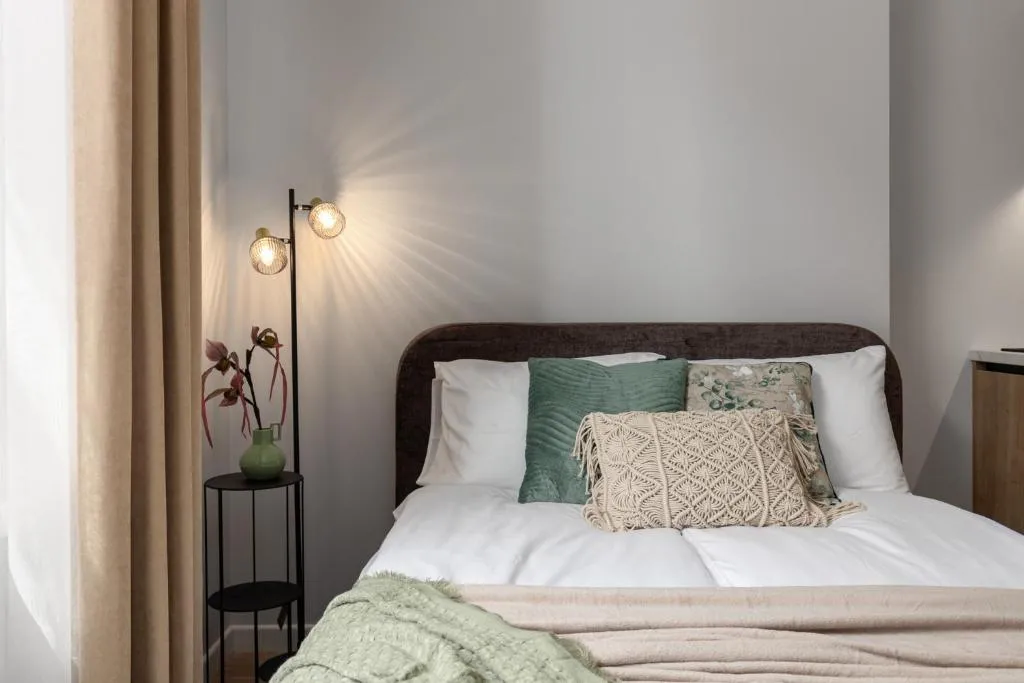
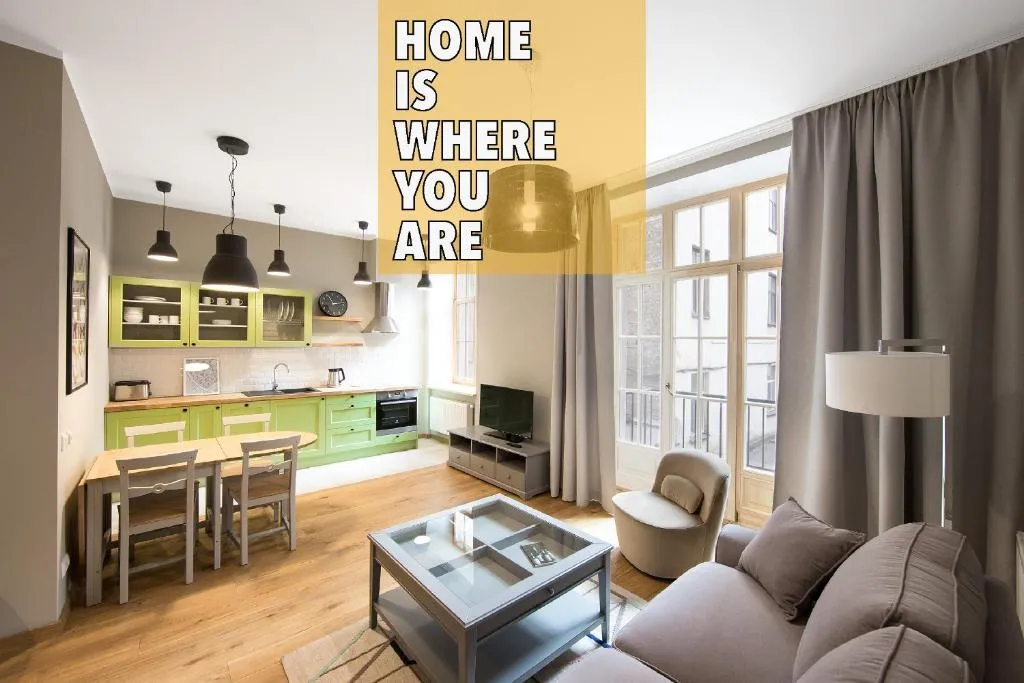
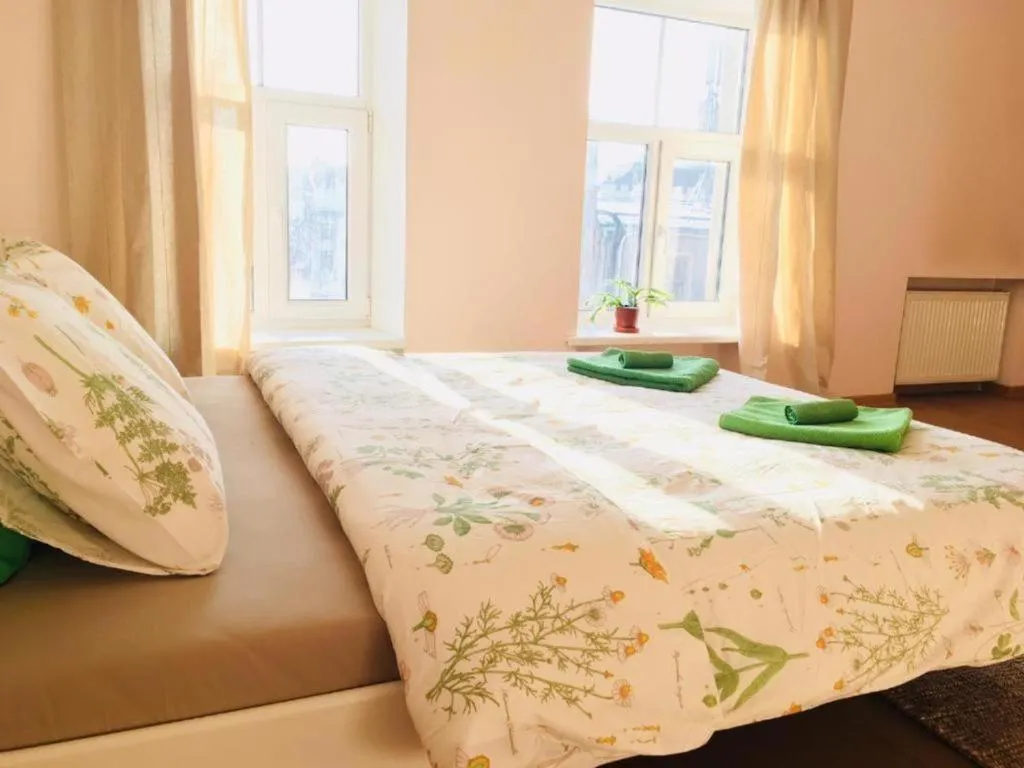
The rooms were a quiet oasis after a day of exploring. The beds were top‑notch—firm, with a mattress that felt like a gentle hug. I noted that the curtains are heavy enough to block out the street noise at night, which is a blessing because the city can get surprisingly loud with late‑night traffic. The bathroom had a deep, warm shower that left the tiles feeling cool under my fingertips—a nice contrast to the steamy air. Internet was decent, but I did notice a hiccup if I tried to stream Netflix while the hotel was busy with a conference; the Wi‑Fi dropped for a few minutes. No big deal, but worth knowing if you’re a digital nomad. The breakfast spread was a highlight: a mix of local rye bread, smoked fish, and a selection of cheeses that made me feel like I’d discovered a hidden culinary gem. The bar area had a small selection of Latvian spirits—one night I tried a local rye vodka that had a subtle hint of juniper, and honestly, it was surprisingly smooth.
When it comes to timing, the summer months are when Riga really comes alive, and so is Hestia. That’s when the street corners are bustling, the cafés are full, and the noise level rises. If you prefer a quieter stay, aim for the shoulder seasons—late spring or early fall—when the city’s rhythm slows a bit and the hotel’s lobby feels like a personal retreat. I’ve also found that the early mornings are the best times to catch the city waking up—there’s a quiet stillness before the market opens, and you can see the first light painting the old stone walls. All in all, staying at Hestia Hotel Draugi felt less like a hotel stay and more like a short, comforting break in a city that’s always ready to share its stories. It’s the kind of place that makes you want to linger, to sit in the lobby for a few extra minutes, and simply listen to the city breathe.
Many travelers prefer to book apartments in Riga through trusted local agencies that provide insider knowledge about the best neighborhoods for experiencing the city’s rich architectural heritage and cultural attractions.